
Sustainable Weight Loss Through Personalized Nutrition & Lifestyle Support
Struggling to lose weight despite trying every diet, workout plan, and quick fix? You’re not alone. Weight gain and obesity are rarely just about eating too much or moving too little. They develop over time due to a complex mix of behavioral, metabolic, habitual, and hormonal factors.
Sustainable weight loss isn’t about extreme calorie restriction or short-term solutions that only provide temporary results. It requires a strategic, long-term approach that helps your body burn fat efficiently, address the root causes, stabilize hormones, and regulate hunger—while preserving health, energy, and metabolism.
Our program goes beyond generic diets and gym routines. We focus on the root causes of weight gain and create a personalized nutrition and lifestyle plan that helps you lose fat sustainably, maintain metabolism, and achieve long-term results.
As per the WHO, obesity rates have nearly tripled since 1975 and have increased almost five times in children and adolescents, affecting people of all ages from all social groups in both developed and developing countries. Obesity is a major risk factor for various lifestyle diseases, such as type 2 diabetes, cardiovascular disease, hypertension and stroke, and various forms of cancer.
As per National Family Health Survey, India’s obesity levels have doubled in 10 years. Andhra Pradesh leads the stats of highest no. of urban population who are over 25 BMI.
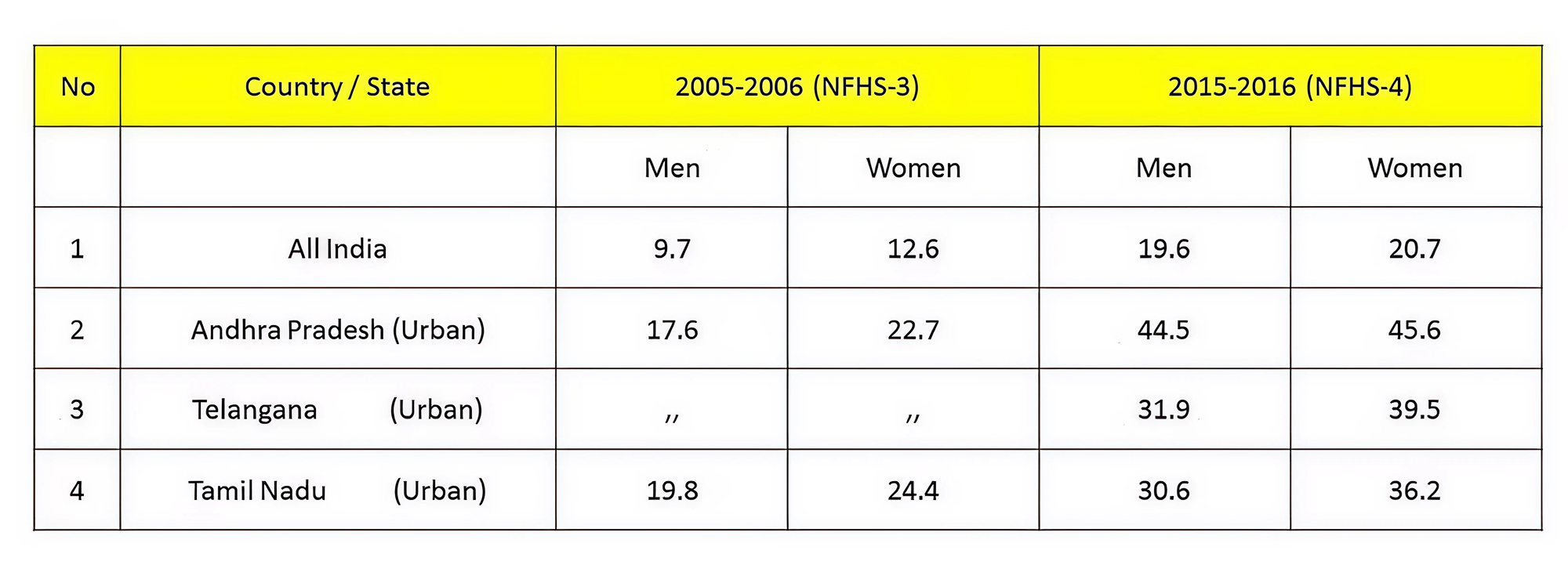
Telangana is amongst the top 5 states with highest levels of obesity.
Obesity, especially in Indian conditions, is not about excess weight; it is about excess fat. It is essential to note this because many people in the high-risk category for lifestyle diseases are under a false sense of security, as their weight is within norms and has remained stable over the last several years.
In view of this, the Government of India has defined obesity as “a condition where a person has accumulated abnormal or excessive body fat that causes negative effects on health.”
The World Health Organization went a step further and categorized obesity as the first of the so-called “diseases of civilization” to emerge.
Obesity is not only a disease, but a disease in which the human body actively opposes the “cure” in the long term, despite initial success with weight loss.
The body does this through coordinated actions of:
These systems are designed to maintain body energy stores (fat) at a Central Nervous System (CNS)-defined “ideal.”
If an individual wants to lose weight and keep it off, all the below four have to be addressed:
One should realize that obesity has developed over several years, and losing it may also take time. So don’t fall prey to quick fixes and crash diets. Have realistic goals like losing 10%. Consolidate the gains and then aim for losing some more.
To lose weight, one has to cut down on calories without letting the body cut down calories required for maintenance. To do this, the calorie deficit in food should be covered by drawing calories from fat stores. It is possible through low GL foods.
An obese person is a starving person at the cellular level because most of the food goes into fixed deposits, i.e., fat. The body uses hormones like insulin and ghrelin to make the person get energy by eating more and conserve energy by working less. If you observe, a hungry animal does exactly the same. The answer is to keep blood sugar stable by eating foods that are minimally processed.
ANS links the gut to the brain, and the brain’s decision on the ‘ideal’ weight, called the “set point,” depends on the information supplied by ANS. This system is so powerful that it is being looked upon as a potential source of new obesity treatment.
The following Indian Healthy Plate can help to lose weight and reduce BMI:
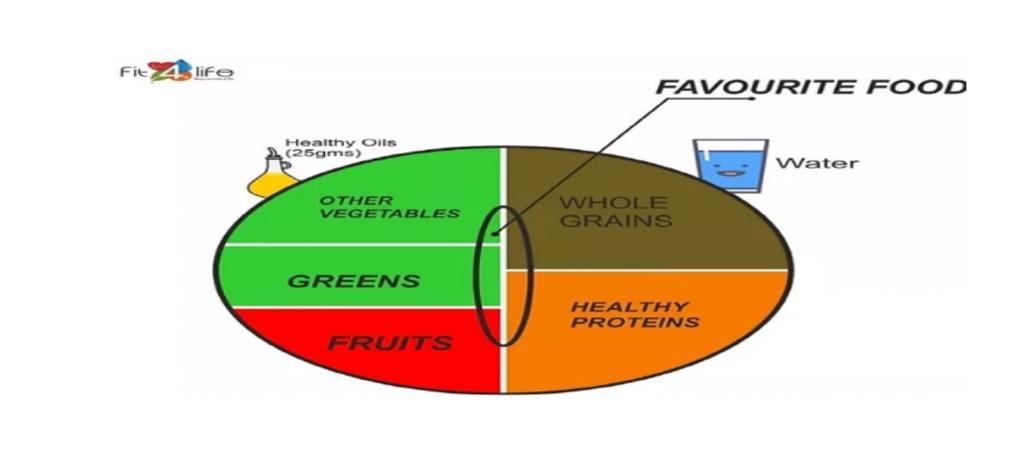
While following this plate is an excellent start, sustainable weight loss requires more than meal planning. It requires a comprehensive approach that addresses the underlying causes of fat gain. Here’s how we help you lose weight the right way.
We understand that sustainable weight loss is more than just dieting—it’s about addressing the root causes of fat gain, balancing your metabolism, and creating lasting habits. Our program targets the four key factors of weight management: Behavioral, Metabolic, Neuroendocrine, and Autonomic Nervous System (ANS) with:
Sustainable weight loss is about nourishing your body, balancing hormones, and adopting healthy habits that last a lifetime. Let’s design a plan that works with your body, not against it.
Guiding You to a Balanced, Rejuvenated Life.
Copyright © 2025 All Rights Reserved.