Food intolerance

IBS and IBD

IBS (Irritable Bowel Syndrome) and IBD (Inflammatory Bowel Disease) are distinct gastrointestinal disorders. While IBS involves low-level inflammation, IBD features more severe inflammation. Functional issues may stem from enzyme deficiencies or imbalances in gut flora, often triggered by high FODMAP consumption.

Symptoms

  • Abdominal cramps
  • Bloating and diarrhea
  • Eye irritation
  • Extreme exhaustion

Struggling with IBS & IBD issues?

A woman in a white T-shirt pressing both hands to her stomach in discomfort

Excess weight

IgG-related food allergies can worsen inflammation linked to obesity, a chronic condition marked by excessive weight and increased body fat. This puts strain on the body and often results in psychological distress, while metabolic disorders can further contribute to weight gain.

Symptoms

  • Heart disease
  • Stroke
  • Arthritis
  • Certain cancers

Break Through the Weight-Loss Blockade –We Show You How

A red apple and a green pear beside a coiled pink tape measure

Food allergies and depression

Depression is a mood disorder characterized by persistent sadness and loss of interest, affecting thoughts and daily activities. It can lead to emotional and physical issues, with types including clinical depression, bipolar depression, dysthymia, and seasonal affective disorder.

Symptoms

  • Sadness
  • Lack of concentration
  • Irritability or frustration
  • Changes in eating habits (eating too little or too much)
  • Sleep disturbances

Losing Focus and Concentration?

A man at a desk with a laptop and a coffee cup, holding his forehead

Headaches

Headaches affect many people, with around 200 types, primarily tension headaches and migraines. These primary headaches vary in frequency, duration, and pain type, and can be treated directly.

Symptoms

  • Throbbing or pulsating pain
  • Nausea
  • Vomiting
  • Extreme sensitivity to light and sound
  • Lethargy

Are you plagued with headache?

A woman on a sofa holding her sleeping toddler and pressing a hand to her temple

Psoriasis

Psoriasis is an autoimmune disorder characterized by the rapid buildup of skin cells. This accumulation leads to scaling on the skin’s surface. Inflammation around these scales is common, and sometimes these patches can crack and bleed

Symptoms

  • Dry skin
  • Soreness
  • Burning and itching sensation
  • Pitted and thick nails
  • Throbbing and sore joints

Struggling with Skin Problem?

A young woman with spots on her forehead resting her cheek in her hand

Rheumatoid arthritis

Rheumatoid arthritis (RA) is an autoimmune condition where the immune system attacks joint linings and other tissues, though its exact causes are unclear. Treatment options include lifestyle changes, medication, surgery, and various therapies.

Symptoms

  • Malformed joints
  • Fatigue
  • Weakness
  • Loss of appetite
  • Fever

Have burning and Itching sensation?

A woman in a blue T-shirt touching her neck with a pained expression

Gastrointestinal complaints

Gastrointestinal (GI) illnesses impact the GI tract from mouth to anus. Crohn’s disease (CD) is a chronic inflammatory condition affecting any part of the digestive system, while irritable bowel syndrome (IBS) causes significant discomfort and disruption for many individuals.

Symptoms

  • Excessive bloating
  • Constipation
  • Diarrhea
  • Heartburn
  • Vomiting

Do you have Joint line issues?

A man in a grey T-shirt gripping his knee in pain

Crohn disease

Type III food allergies can trigger chronic inflammation, potentially contributing to Crohn’s disease (CD), which affects the small intestine and colon. The ImuPro IgG delayed Food Allergy Test and elimination protocol may enhance treatment options..

Symptoms

  • Stomach aches
  • Severe bouts of watery or bloody diarrhea
  • Abdominal pain and stomach cramps

Struggling with Abdominal pain and stomach cramps?

A woman sitting on a sofa, doubled over and holding her stomach

Obesity

Obesity is a chronic, multifactorial condition that can lead to excessive body fat and associated health problems. While excess body fat itself is not an illness, it can alter bodily functions over time, potentially worsening and causing health issues.

Symptoms

  • Asthma
  • Sleep apnea
  • Obesity hypoventilation syndrome
  • Osteoarthritis
  • Back pain

Struggling with Obesity?

A man standing on a bathroom scale in his living room, looking down at it

Chronic pain

Chronic pain, lasting over a year, can hinder flexibility, strength, and endurance, making daily tasks difficult. It may manifest as a burning or aching sensation and can affect almost any part of the body.

Symptoms

  • Joint pain
  • Muscle pain
  • Burning pain
  • Fatigue
  • Sleep issue

Having muscle pain issues?

A woman sitting on a park bench holding her knee in pain

Development of food allergies and path to recovery

Delayed IgG food allergies can cause persistent, hard-to-trace symptoms that emerge hours or days after eating trigger foods. Compromised intestinal immunity, due to stress or infections, allows undigested food to provoke inflammation, leading to gastrointestinal issues, headaches, and skin conditions. Chronic exposure can worsen these reactions over time. A Food Intolerance test like ImuPro can help identify and manage these allergies.

Your nutritional strategy: ImuPro guides you through three essential phases to enhance your health through tailored nutritional strategies:

  • Elimination Phase: For four days, you consume foods low in IgG antibodies in a rotation cycle, avoiding high IgG foods to reduce inflammation and prevent new food allergies.
  • Provocation Phase: Gradually reintroduce one avoided food at a time to identify your personal “trigger foods.” This careful approach helps pinpoint what may be causing your symptoms.
  • Stabilization Phase: Avoid identified trigger foods for at least a year to allow IgG antibodies to degrade and your body to recover. Afterward, you can reassess with another provocation phase, determining if any foods need to be permanently avoided.

Detailed guidance for each phase will be provided in your Personal Nutritional Guide, included with your test results.

If you have an allergic reaction to food

A man at a busy restaurant table holding his throat while friends eat around him

Meta check

Why Does Everyone Digest Food Differently?

Humans have evolved with genetic variations, known as polymorphisms, that affect how we metabolize food. This concept, called nutrigenetics, explains why individuals process macronutrients differently. CoGAP® identifies four genetic metabolism types (Meta-types) that help create personalized diet and exercise plans. The CoGAP MetaCheck® analyzes these variants to offer tailored weight management strategies, highlighting that generic advice is often ineffective. A study found these Meta-types are evenly distributed in the European population, with no significant links to age or BMI, emphasizing the importance of individualized approaches based on genetics.

Advantages of CoGAP MetaCheck®

For healthcare providers, CoGAP enhances reputation and offers easy management of testing, while individuals receive customized dietary and exercise guidance based on a simple cheek swab sample. This approach promotes effective weight loss strategies tailored to each person’s unique genetic profile.

CoGAP MetaCheck

An illustration of a human figure beside a DNA double helix

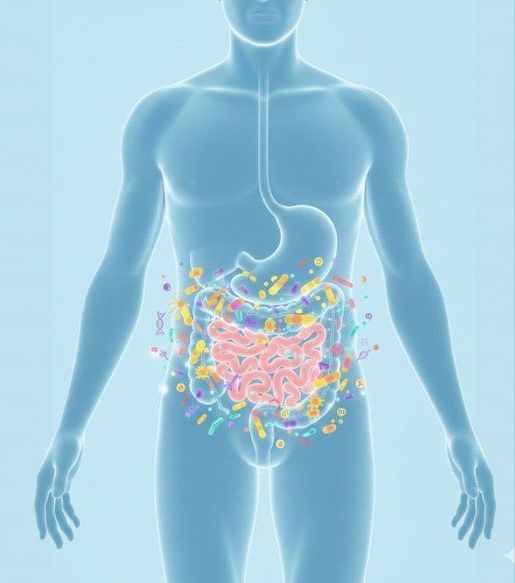
Gut Microbiome

Decoding Gut Health: The Microbiome, Leaky Gut, and Food Allergies

The gut is home to trillions of microorganisms essential for digestion, metabolism, and immune function. A balanced gut microbiome is vital for overall health, while disruptions—often caused by processed foods—can lead to conditions like leaky gut and food allergies. A leaky gut allows undigested food particles to enter the bloodstream, triggering immune responses and inflammation. Recent studies highlight the role of gut bacteria in immune response, emphasizing the importance of maintaining gut health to prevent digestive issues and enhance overall well-being.

To optimize gut health, consider a dual approach: ImuPro’s IgG Food Intolerance Test identifies personal pro-inflammatory triggers, enabling you to avoid harmful foods and support gut recovery. Complement this with a Gut Microbiome Test to assess and enhance your gut flora, promoting better digestion and nutrient absorption. Together, these tests provide personalized insights, paving the way for improved health, better sleep, and effective weight management, empowering you to take charge of your well-being

Gut Microbiome

An illustration of a human body with the digestive tract and gut bacteria highlighted

Find Out Which Foods Your Body Reacts To

Achieve your wellness goals with personalized guidance, expert support, and sustainable habits — built for you.

Book Appointment