
Despite high blood pressure being a significant risk factor for conditions such as stroke, heart disease, and kidney failure, almost half of individuals with high blood pressure are unaware of their condition. Moreover, many diagnosed individuals do not receive sufficient treatment. This is primarily because High Blood Pressure (HBP) is a largely symptomless “silent killer.” If you ignore your blood pressure because you think symptoms like headaches, anxiety, or shortness of breath will alert you to the problem, you are taking a dangerous chance with your life.
The most effective way to determine if you have high blood pressure is through regular home checkups, as hospital tests can be influenced by white-coat syndrome, where in blood pressure increases due to the anxiety of being in a medical setting.
Regular home checkups are particularly crucial for the following groups:
HBP has different causes, based on the food habits of the people. In the West, where packaged foods with high salt content are extensively used, high sodium content in the diet may be the cause of the HBP. Average American consumes around 3400 mg of Sodium per day (11/2 times more than the maximum recommended by WHO), out of which more than 70 % comes from the packaged foods.
But an average Indian eating home-cooked foods consisting of 2 curries and dal gets only around 900 mgs of Sodium per day, which is less than half of the WHO recommended Sodium intake. So, high salt content of the diet may not be the cause of HBP among most Indians. On the other hand, reducing the salt in the diet will adversely affect stomach acid production, aggravating the weak stomach acid problem, which forces many Indians to use Antacids. This, however, does not give blanket permission to use added salt while eating, like adding it to the curd rice or indiscriminate use of Pickles, which are a big source of unwanted salt.
HBP among Indians is mostly due to:
The following figures illustrate the mechanism through which IR causes HBP.
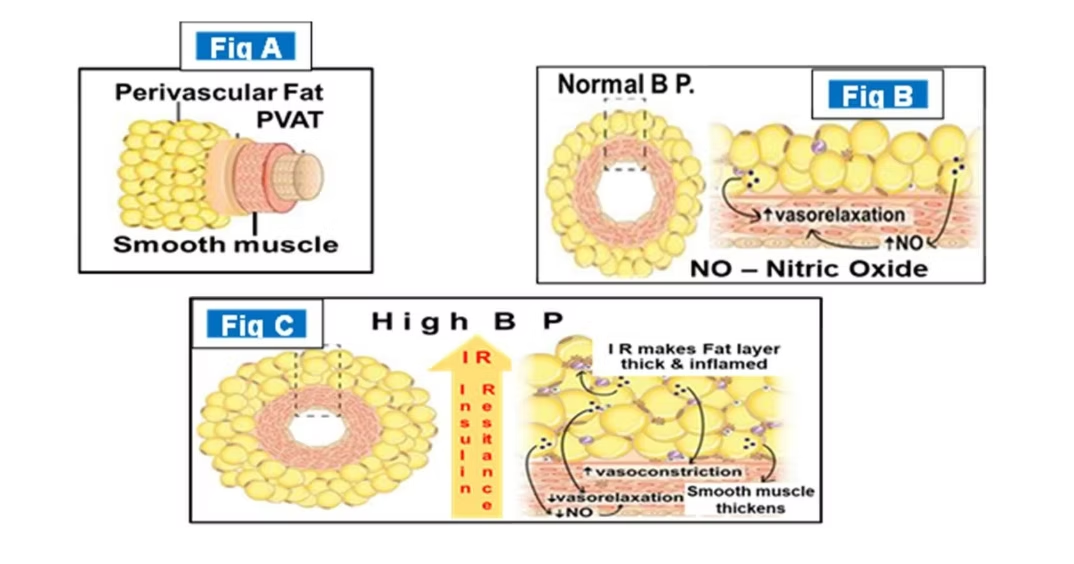
Figure A: All the blood vessels other than those in the brain have a fat layer around them as shown in figure A.
Figure B: In Insulin Sensitive people, the B P is normal because they have thin and healthy fat layer as shown in figure B. Thin Fat layer keeps smooth muscle thin and healthy because of which the channel is wide, and blood can flow without causing HBP. Adequate Nitric Oxide (N O) produced by the thin fat layer further relaxes the blood vessels resulting in healthy BP.
Figure C: Insulin resistance makes the fat layer thick and inflamed. This thickens the smooth muscle, which narrows the channel, causing high BP. Decreased NO further increases the BP by constricting the blood vessels.
IR and Sodium reabsorption in the Kidney: I R affects different organs differently. While excess insulin produced by the refined and fermented grains (e.g. – Idlies, breads) makes the muscles and fat cells resistant to its action, kidneys remain insulin sensitive. High insulin can increase the sodium reabsorption in the kidneys up to 3000 mg (11/2 times more than the maximum recommended by WHO) causing High B P.
Solution for HBP among Indians: Recent Press Release by National Institute of Nutrition, Hyderabad (NIN), which is reproduced below along with English translation gives the solution for HBP and other Lifestyle diseases among Indians.
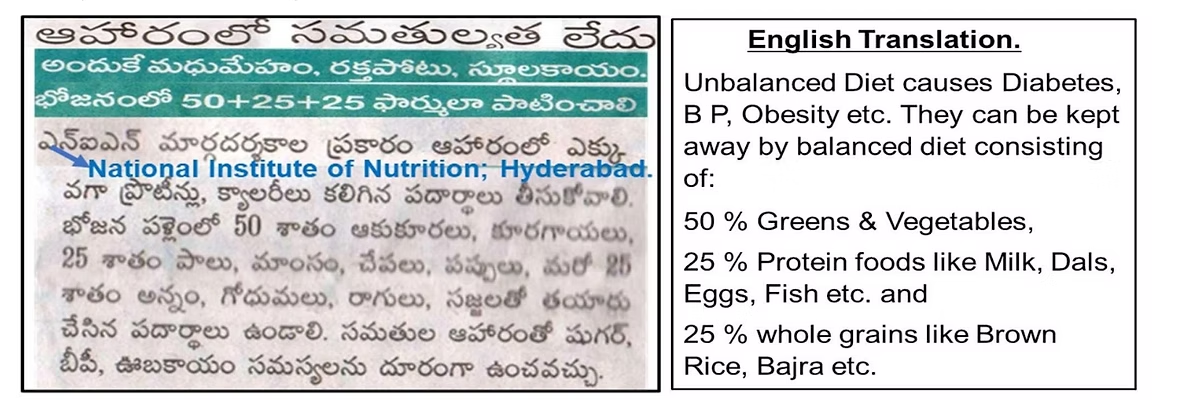
The above seemingly simple solution becomes difficult for many to follow, because to reduce BP most of the vegetables need to be consumed in the form of Salad, as curry contains high fat and Sodium, as shown below:

Guiding You to a Balanced, Rejuvenated Life.
Copyright © 2025 All Rights Reserved.