Before getting into the details, let’s see what exactly PCOD and PCOS are.
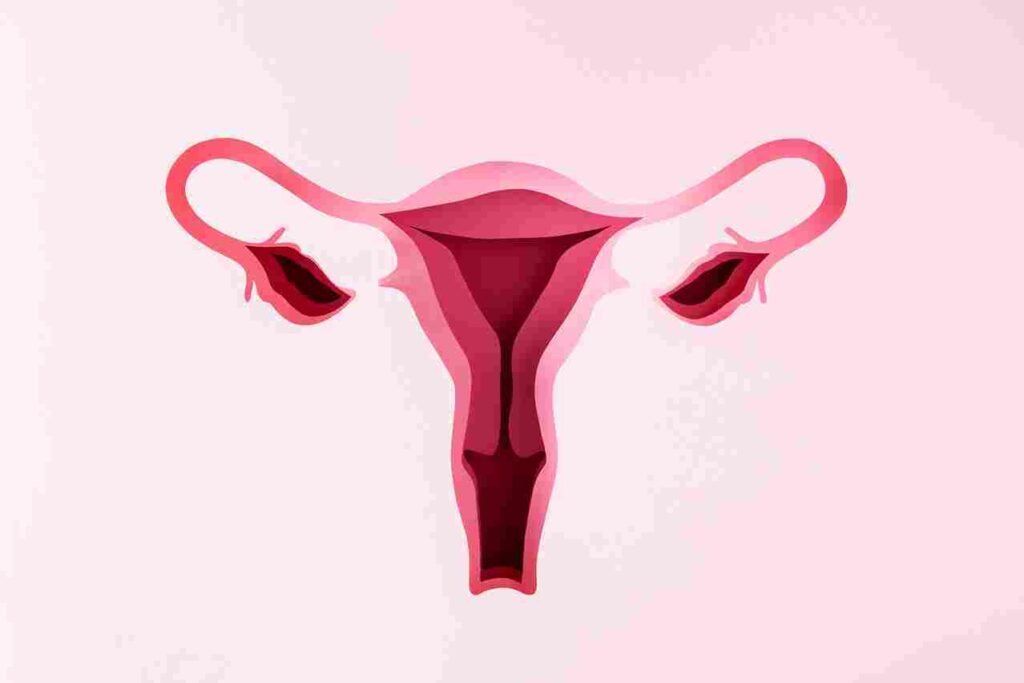
PCOD (Polycystic Ovary Disease): It is a disease with an enlarged ovary & small follicular cysts which has the potential to grow into PCOS.
PCOS (Polycystic Ovary Syndrome): This a condition where more follicles are produced than those released, because of which ovaries produce higher levels of androgen.
The three main features of PCOS are-
- Cysts in the ovaries
- Irregular periods
- High levels of male hormones
Excess androgen is a main defect in PCOS patients, but it is triggered by factors like obesity and Insulin Resistance. Studies demonstrated that all women with PCOS, both lean and obese have IR.
In another study, it was found that all females including children have polycystic ovaries, but they had normal levels of circulating androgens. This suggests that in certain circumstances, IR alone can cause polycystic ovaries. But it is difficult to separate the independent and interactive effects of hyper-androgenism, IR and obesity in women with PCOS.
Providing good nutrition to ward-off PCOS is bit tricky, because some patients may need monounsaturated fat rich diet, whereas for the others, their carbohydrates may have to be increased. Following is short list of diets with different effects that illustrate this point:
In PCOS, hyperinsulinemia is a bigger problem than hyperandrogenemia, because long-term complications of the syndrome, such as cardiovascular disease and development of Diabetes are caused by hyperinsulinemia.
So, weight loss and control of IR should be targeted in all women with PCOS through reducing caloric intake coupled with adequate nutrition and healthy food choices, irrespective of diet composition.
To treat PCOS, it is more important to diagnose and control IR than suppression of hyperandrogenism and ovulation induction.
For more information on Insulin Resistance, refer to Insulin Resistance.
Symptoms of PCOS:
- Hair growth on face and body
- Heavy bleeding
- Weight gain
- Male pattern baldness
- Irregular periods
- Headaches
- Darkening of skin
- Acne
How PCOS affects?
- Depression
- Sleep apnea
- Endometrial cancer
- Infertility
- Metabolic syndrome
| Diet | Effect |
| Monounsaturated fat-enriched diet | Reduces weight. |
| Low Glycemic Index Diet | Improves menstrual regularity |
| High carbohydrate diet | Increases free androgen index |
| Low carbohydrate diet | Reduces IR and fibrinogen and improves Lipid profile |
| High protein diet | Reduces depression and improves self-Esteem |
Here’s how we can help:
One can start the PCOS treatment with lifestyle changes – diet and exercise, but it doesn’t work always. Seek professional help and treat it in the best way possible under supervision.
- We analyze your medical reports from a nutrition standpointand recommend a course of action
- We help you make your medication more effective with appropriate nutrition and help reduce your medications and maybe even help in reversing your lifestyle related ailments
- We use Cognitive Behaviour Therapy to transition you into a lifestyle that is conducive for your LSDs. We also use Scientific Mind and Body Processes that can reduce the medical condition or even reverse the condition